jittr

A pound of real 100% Kona runs $30 or more, while a bag at the airport marked Kona Blend costs a third of that. The gap is the whole story. Hawaii grows coffee on American soil, with American wages and a sliver of volcanic hillside, and the cheap bag is mostly coffee from somewhere else. Below, a tool to read what a Hawaiian label is actually selling you. Then the reasons behind the price, how the coffee is made, and the Hawaii roasters with the best ratings right now.
kona label decoder
Tell it what the bag says and what it costs. See what you are actually buying.
- 100% Kona: the real thing, rarely under $30 to $35 a pound
- Kona Blend: as little as 10% Kona by law
- Hawaiian, no district: origin unnamed, quality varies
- Just "Kona" in big type: read the back before you trust it
Hawaii grows coffee on US soil, at US costs
The single biggest reason is wages. The people who pick Hawaiian coffee earn an American paycheck, not a farmworker's wage in Latin America or East Africa.
Hawaii is the one US state that grows coffee as a major crop, and its farmworkers must be paid at least the state minimum wage, which reached $16 an hour in January 2026. According to Big Island Coffee Roasters, hand-harvesting alone accounts for 30 to 40 percent of the final cost of Kona. Around 900 farms grow the crop, most of them 2 to 20 acres, so there is no large estate spreading that labor across a huge harvest. A grower in Colombia or Ethiopia pays a fraction of those wages for the same work.
The land does half the work and caps the supply
Volcanic slopes give Hawaiian coffee its flavor and, at the same time, make it slow and costly to grow.
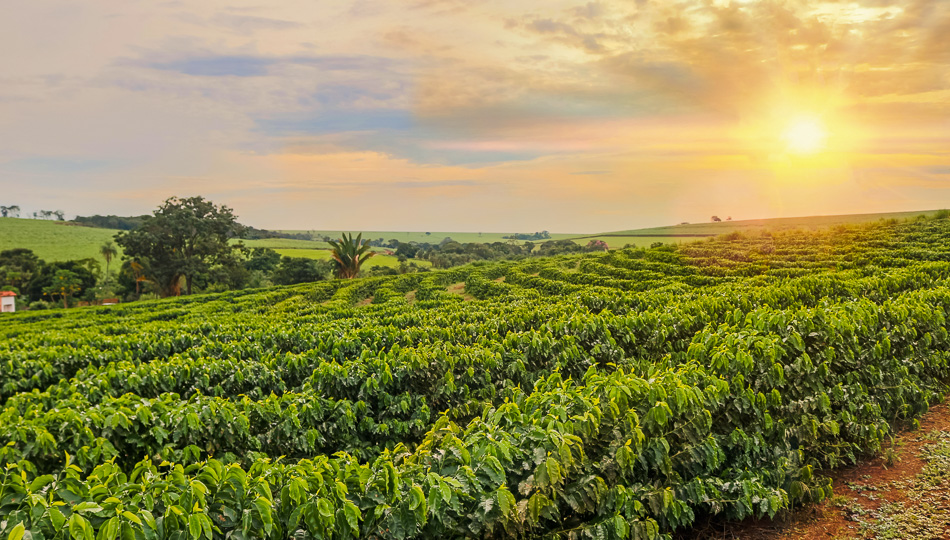
Kona's coffee belt is a strip about two miles wide between 700 and 2,000 feet on the western slopes of Hawaii island, ground that was too steep for the sugarcane plantations that once ran the islands. Steep ground means no machines, so every cherry comes off by hand. The region is small, so supply stays tight and land stays expensive. Two pests raised the cost again in the past 15 years: the coffee berry borer, found on Kona farms in 2010, and coffee leaf rust, which reached the islands by 2020. Both force more spraying and cut the yield per acre.
Every cherry is picked by hand, several times a season
The process rewards ripeness over speed, and that choice runs through every step.
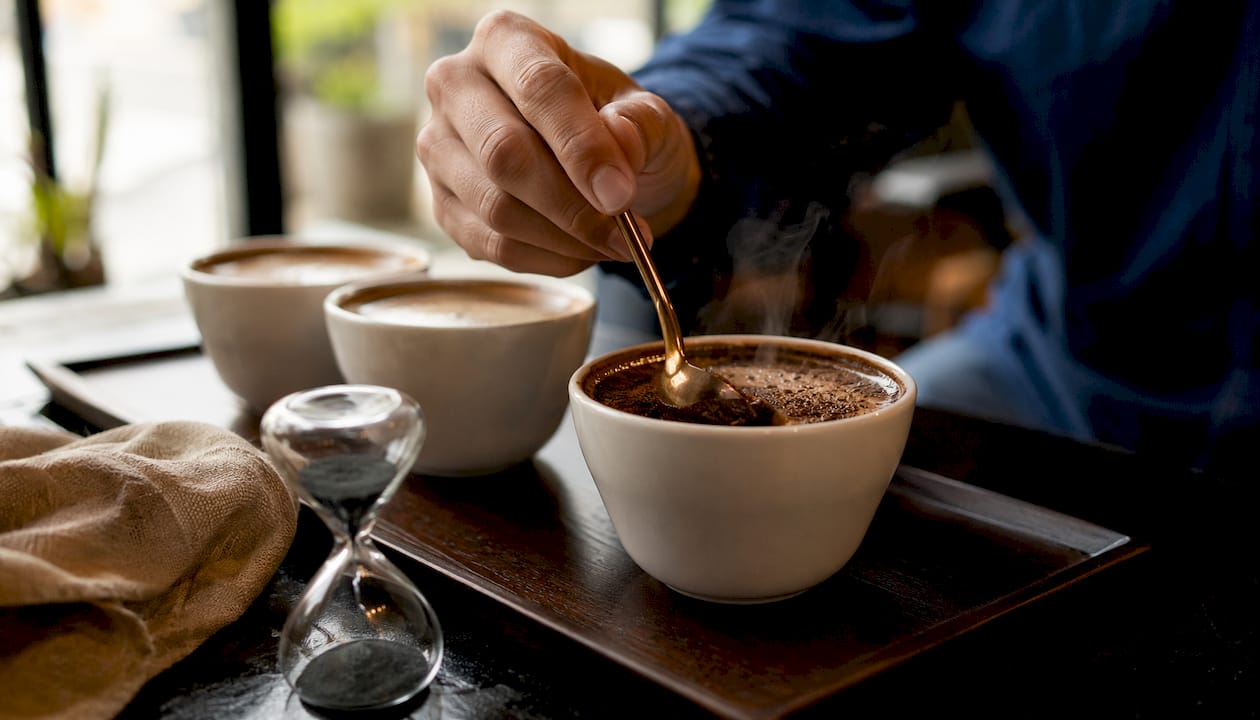
Pickers walk the same trees several times across the season, taking only the cherries that have turned deep red and leaving the green ones to ripen. From there the coffee goes through wet processing. A pulper strips the skin and fruit, the beans ferment and wash to remove the sticky mucilage, and they dry on open decks or raised beds until the moisture drops. The dried beans rest in their parchment shell, then a mill hulls, grades and sorts them before roasting. A typical farm yields around 1,400 pounds of parchment per acre. Compared with the mechanical strip-picking used for commodity coffee, this is slow, careful work, and you pay for every pass through the field.
What you actually pay for
Most of the retail price covers labor and land, and the cheap bags get there by using almost no Hawaiian coffee at all.
Authentic 100% Kona rarely sells below $30 to $35 a pound. The souvenir-shop bags at $7 to $10 pull off that price because of a labeling rule: under Hawaii law, a coffee sold as a Kona Blend needs only 10 percent Kona. A one-pound bag of blend can hold about 1.6 ounces of real Kona and fill the rest with cheaper imported beans. Big Island Coffee Roasters estimates Hawaiian farmers keep 20 to 60 percent of the retail price, and notes the global commodity price sat near $3.20 a pound in 2025, barely enough to cover what it costs to grow coffee in most of the world, let alone in Hawaii. When a bag says Kona and costs less than $20, the math only works if most of what is inside came from elsewhere.
The best Hawaii roasters by Google rating
The roasters below hold the highest Google ratings among Hawaii coffee businesses as of November 2026. I leaned toward places that roast their own coffee and have enough reviews for the score to mean something, so a 4.7 from hundreds of people outranks a 5.0 from a dozen. The rating covers the whole business, the café and farm tour included, not the roast alone, so treat it as a starting point and rate your own bag once you try it.
Hawaii Island, Kona side
- Mountain Thunder Coffee PlantationKailua-Kona4.7 (1,076)
- Kona Mountain CoffeeKailua-Kona4.7 (830)
- Rooster Farms CoffeeCaptain Cook4.8 (286)
- Hula Daddy Kona CoffeeHolualoa4.6 (536)
- Holualoa Kona Coffee Co.Holualoa4.7 (130)
Hawaii Island, Hilo and Ka'u
- Hilo Coffee MillMountain View4.7 (183)
- Big Island Coffee RoastersHilo4.6 (507)
- Ka'u Coffee MillPahala4.4 (232)
Maui
- First Wave CoffeeKahului5.0 (346)
- Lava Java Coffee RoastersKihei4.7 (802)
- Akamai Coffee Co.Kihei4.6 (896)
- Maui Coffee RoastersKahului4.5 (951)
Oahu
- Tradition Coffee RoastersKailua4.9 (623)
- DRiP STUDiOHonolulu4.9 (246)
- Local Joe Coffee RoastersHonolulu4.7 (465)
- Kona Coffee PurveyorsHonolulu4.4 (4,178)
Rate your Hawaiian bag
Pour it, score it out of ten and tag the flavors in Jittr. If you try Kona next to a Ka'u or a Maui coffee, your own ratings show which one earns the price for your taste.
Download Jittr