jittr

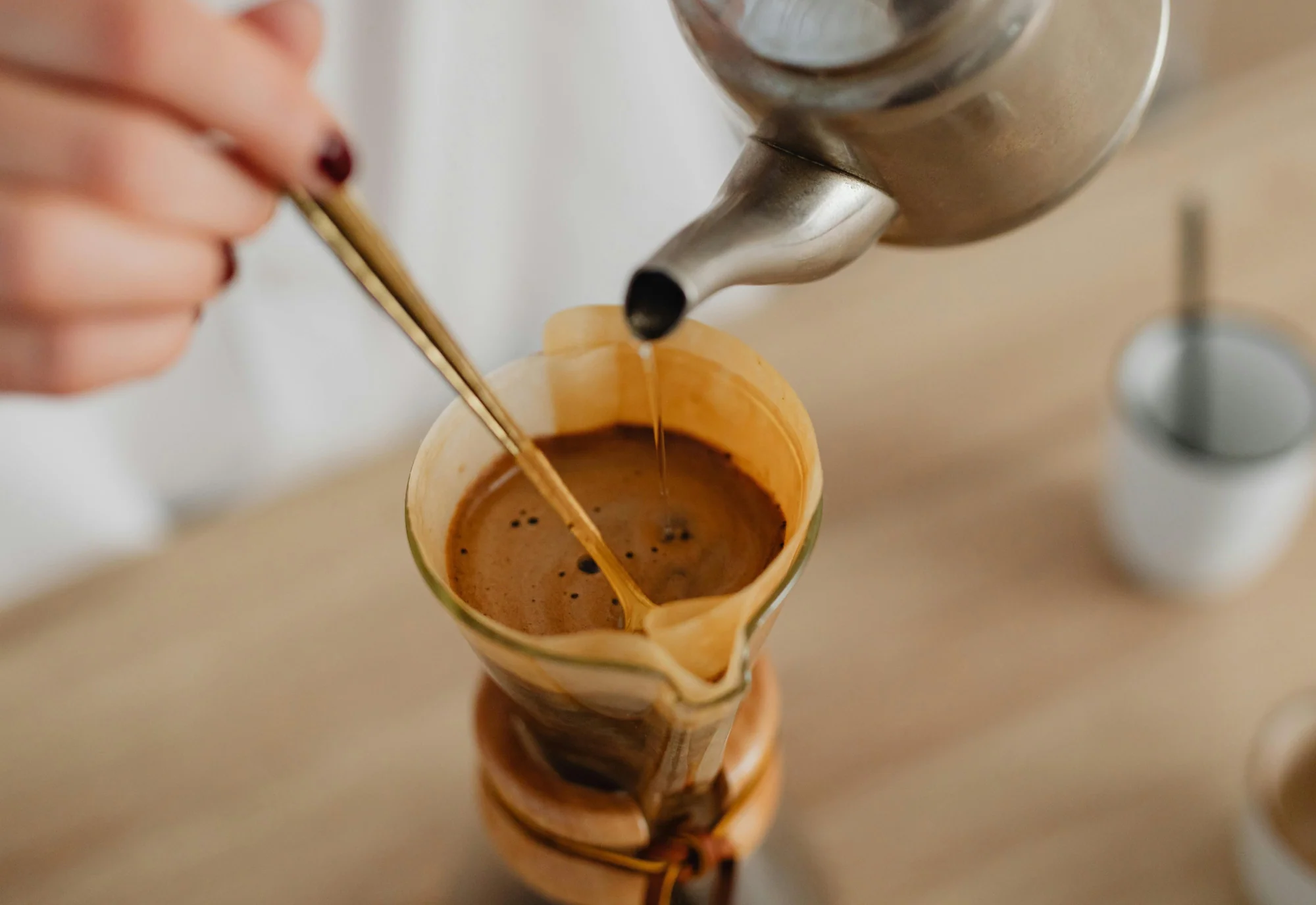
A 2012 literature review published by the Specialty Coffee Association classed roasted coffee as shelf-stable, meaning microbes and enzymes don't spoil it. It goes stale through chemistry. Aroma compounds escape, fats oxidize, and over weeks the cup smells weaker and then tastes rancid. Air, grinding, heat and moisture set the pace.
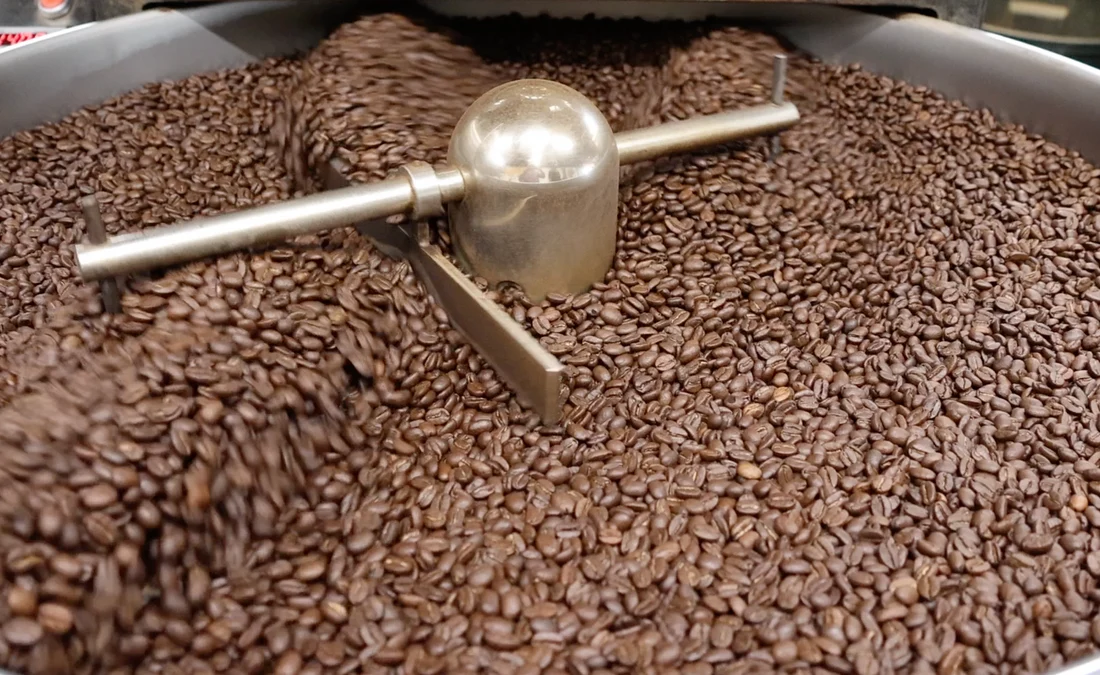
How fast roasted coffee loses flavor
The review gathered 28 studies. Twelve of them weren't peer-reviewed, so read the numbers below as estimates.
Holscher and Steinhart reported in 1992 that methanethiol, a sulfur compound tied to the smell of fresh coffee, fell to about 30% of its starting level within 8 days. A 2001 study by Sanz's group found the biggest drop in freshness came in the first month, and panelists in Ross's 2006 tasting preferred fresh coffee to coffee two weeks past roasting. In Marin's 2008 work, coffee packed in air tasted rancid at four months.
Oxygen and packaging
In the packaging studies the review collected, nitrogen-flushed coffee kept for about six months, against three months without flushing (Alves, 2001). Cardelli and Labuza found that each 1% of oxygen in the package raised the staling rate by about 10%, and Labuza estimated that cutting package oxygen to 0.5% could stretch shelf life about 20-fold. Nicoli's 1993 work put vacuum-packed coffee at about a fifth of the staling speed of coffee packed in air.
Those numbers describe sealed bags. Opening a bag lets air back in. In a 2022 study in Food Packaging and Shelf Life, researchers at the Zurich University of Applied Sciences opened bags of coffee and tracked them for eight weeks. The air inside the bags matched room air within one to two weeks, and methanethiol fell to about 15% of its starting level. The bag's own screw cap held aroma better than a clip, tape, or a canister opened twice a week.
Whole beans hold up longer than ground
Grinding exposes more of the coffee to air, and the SCA review found ground coffee staled faster than whole beans. Heat and moisture sped up the losses in the studies it covered, and cold storage slowed them.
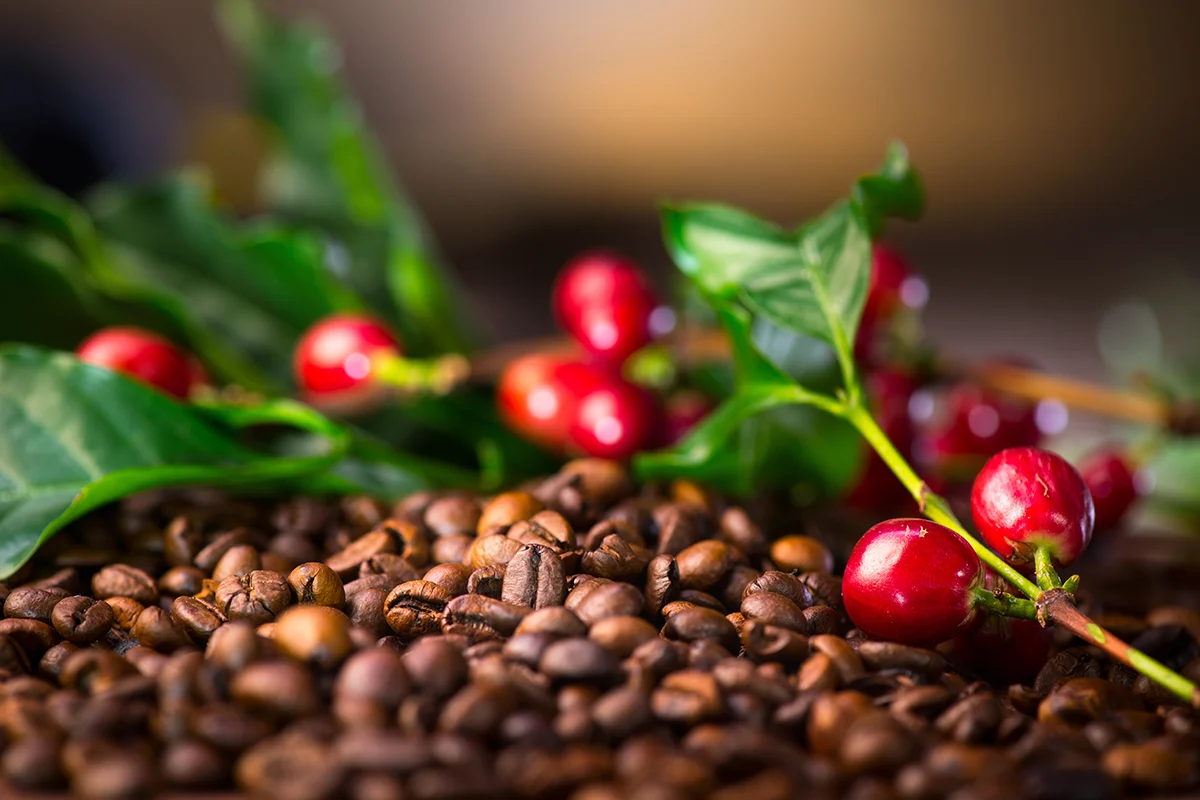
Freezing coffee beans
Andrew Cotter and Helene Hopfer at Penn State stored six roasts, from light to dark, either frozen or at room temperature for nine weeks, and compared them with a fresh batch. Their results, published in Beverages in 2019, combined gas chromatography with a panel of 48 coffee drinkers who sorted samples by smell.
Most panelists noticed little difference between frozen dark roasts and fresh ones, while dark roasts kept at room temperature smelled different from both. Light roasts showed no large differences in smell across the three conditions, and the chemical analysis matched.
If you freeze coffee, split it into airtight portions so you open each one once. Moisture speeds staling, so let a frozen portion reach room temperature before you open it. That keeps water from condensing on the cold beans.
Can old coffee make you sick
Dry beans and grounds
The SCA review found coffee isn't subject to microbial spoilage after roasting. That holds while it stays dry. Throw out coffee that got wet, grew visible mold, or smells musty.
Mold toxins
Ochratoxin A (OTA) is a toxin some molds produce, and it turns up in coffee. The European Food Safety Authority's 2020 risk assessment found OTA genotoxic in lab and animal studies and flagged a possible cancer concern, depending on how the toxin damages DNA. It also said the uncertainty was high and the risk may be overestimated. The EU lowered its legal limits for OTA in roasted and instant coffee from January 1, 2023, under Regulation (EU) 2022/1370. Roasting cuts OTA: a 2001 paper in the Journal of Agricultural and Food Chemistry found a 69% reduction across its trials, and seven of the nine earlier studies it reviewed reported cuts of 69% to 96%. We found no study measuring whether OTA rises in coffee beans stored at home.
Brewed coffee left out
Black coffee that sits gets more sour. Lara Manzocco and Corrado Lagazio at the University of Udine found in a 2009 study in Food Quality and Preference that pH tracked consumer rejection of stored coffee brew better than any other measure. That study covered taste, and we didn't find a safety study on plain black coffee left at room temperature. Add milk and food safety rules apply. The USDA says perishable food shouldn't sit out longer than two hours, or one hour above 90°F, and it calls 40°F to 140°F the danger zone for bacterial growth. A latte on your desk since breakfast falls under that rule.
Cold brew in the fridge
Angela Parra, working with Henk den Bakker at the University of Georgia, added E. coli, Listeria, Salmonella and Bacillus cereus to cold brew and stored it at 4°C (39°F) for a 2024 master's thesis. She couldn't recover E. coli, Listeria or Salmonella after day 12. B. cereus held on past three weeks. At home, bacteria get into cold brew from an unwashed jar or filter, so clean both between batches and don't keep a batch for weeks.
If you're already sick and wondering whether coffee will help or hurt, our post on coffee when you're sick covers hydration, medicines that interact with caffeine, and what the CDC says to drink during a stomach bug.
Checking a bag at home
Look for a roast date. A best-by date tells you when the roaster expects quality to drop, and it doesn't say when the beans were roasted. Smell the coffee as you open the bag. A faint smell lines up with what the studies measured: the aroma compounds fade within weeks of roasting.
You can test your own palate on this. Brew the same bag the same way at day 5, day 14 and day 30, and score each cup without looking at your earlier scores. Comparing the three tells you how long that bag held up for you.
Score one bag across a month
Log the same beans in Jittr's bag flow at day 5, 14 and 30, and your history shows when the scores started to drop.
Download Jittr