jittr

Instant coffee is real coffee with the water taken out and put back. A factory brews a strong batch, dries it to crystals, and you add hot water to rebuild the cup. It is fast and it travels well, and it gives up some flavor in the drying. If you want that convenience on a trip without the jar, there are better options now. Use the picker below to match one to your situation, then read on for how instant is made and how to get a decent cup out of it.
convenient coffee picker
Where are you, and what matters most? Get a way to make coffee that fits the trip.
- Specialty instant: lightest, dissolves in hot or cold water
- Pour-over sachet: real grounds, hangs on your mug
- Steeped coffee bag: brews like tea, nothing to clean
- Collapsible dripper: a packable pour-over cone
- AeroPress Go: the best cup you can pack
- Hand-powered espresso maker: a real shot off-grid
Instant coffee is real coffee with the water removed
Every jar starts as a brewed pot. The factory just takes the water out so what is left keeps for years.
Producers roast and grind beans, then brew a strong batch in tall percolation columns and concentrate the liquid. From there they dry it one of two ways. Spray drying atomizes the concentrate into a tower of hot air, and the droplets dry into powder almost at once. It is fast and cheap, and the heat strips out some of the aroma, which is why Tasting Table describes spray-dried coffee as flatter and sometimes a little burnt. Freeze drying takes the slower road: it freezes the concentrate, then pulls the ice off as vapor under vacuum without ever melting it, which protects more of the flavor and costs more to run. Either way the result can come out as fine dust, so makers often clump it back together with steam, a step called agglomeration, described in industry patents, so the granules dissolve fast instead of floating. When a label says freeze-dried, that is the one made to taste closer to brewed coffee.
How to make instant taste better
Most weak instant comes down to too little coffee and water that is too hot or too cold. Fix those two things first.
Use about 1.5 to 2 grams per cup, which is a rounded half teaspoon to a teaspoon, and pour water just off the boil, around 90 to 96 degrees Celsius. Stir until the granules fully dissolve so you are not drinking half-mixed sludge at the bottom. For iced coffee, melt the granules in a splash of hot water first, then top with cold water and ice, because crystals seize up and clump in cold water alone. The biggest upgrade is the coffee itself: a freeze-dried specialty instant, sold in single sachets, tastes far closer to a fresh cup than the supermarket jar, for a few times the price.
When you want convenient coffee but not instant
For a campsite or a hotel room, you can brew real grounds with little more gear than instant needs. The trade is weight, cleanup and a couple of extra minutes.
A few options cover most trips:
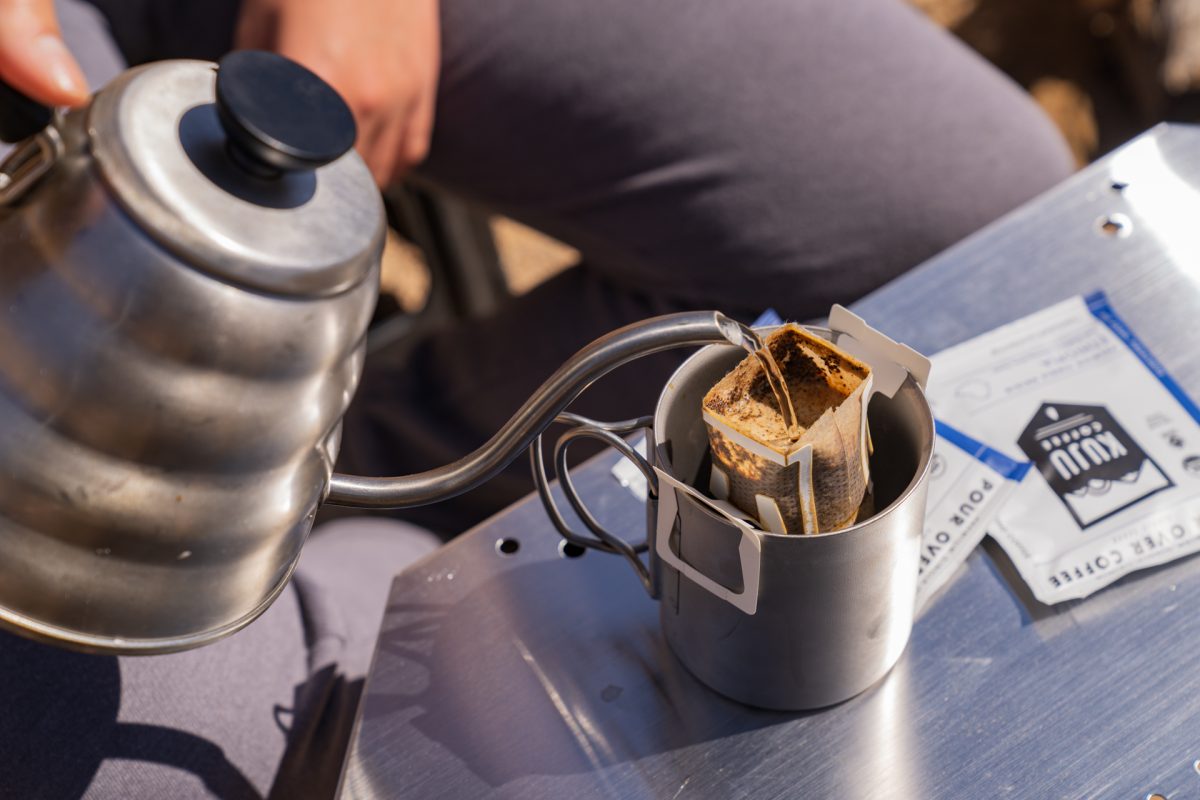
- Single-serve pour-over sachets. A paper drip bag of real ground coffee that hooks over the rim of your mug. Tear it open, pour hot water through, toss the bag. It needs only a mug and hot water, and there is nothing to wash.
- Steeped coffee bags. Ground coffee sealed in a filter bag that you brew like tea. Drop it in, wait about four minutes, pull it out. Slightly less control than a pour-over, and just as clean.
- A collapsible dripper. A silicone cone that folds flat and takes standard paper filters. It makes a clean pour-over and packs small, but you carry filters and rinse the cone.
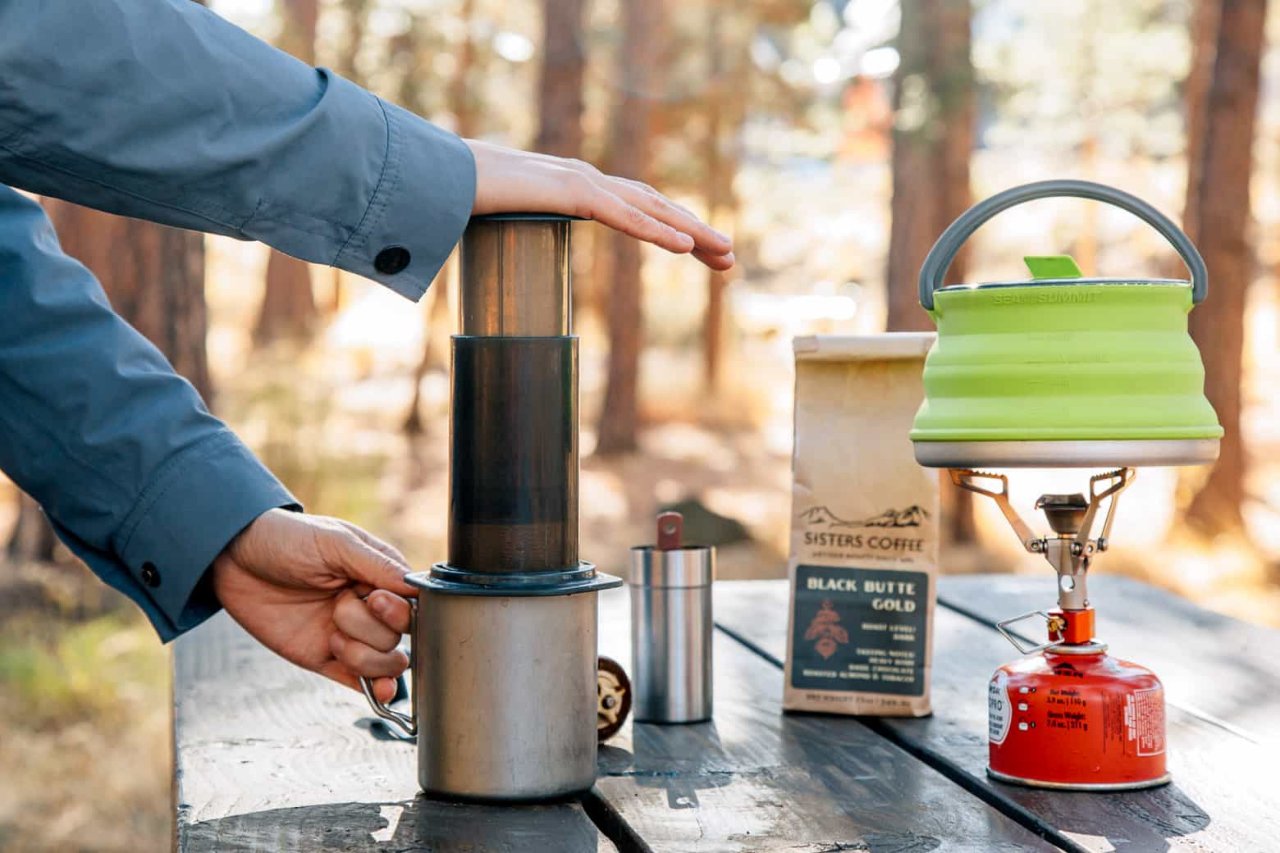
- A packable press. The AeroPress Go brews the best cup on this list in about a minute. It weighs more than a packet and the plunger and basket need a quick rinse.
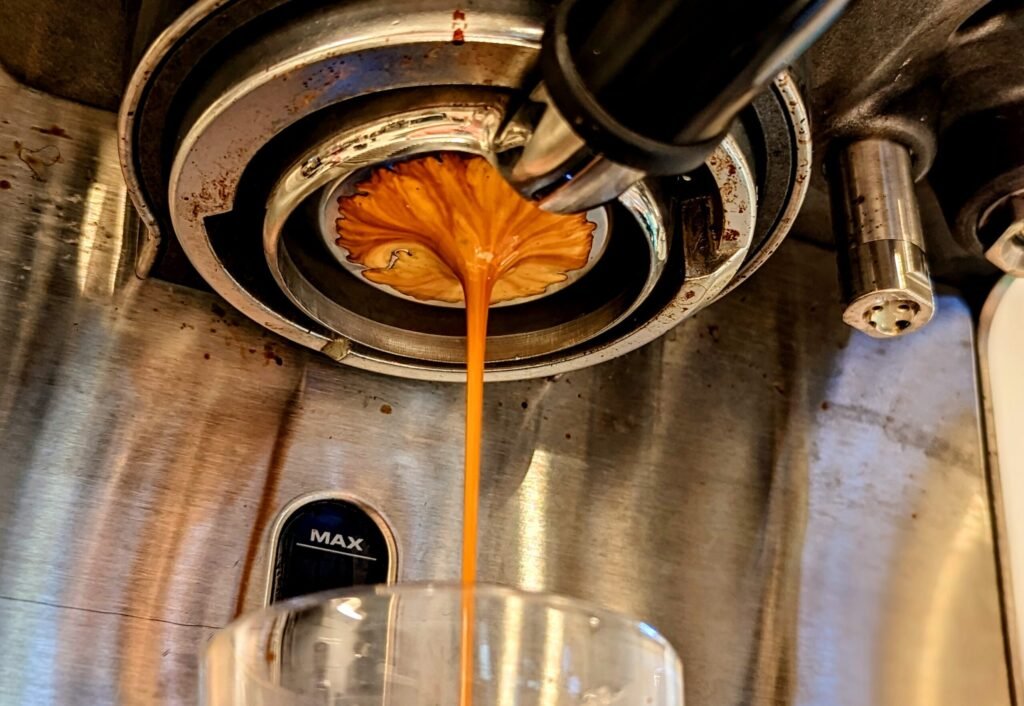
- A hand-powered espresso maker. A hand pump like a Wacaco pulls a real shot with crema, off-grid. It is the heaviest and priciest choice here, worth it only if espresso is the cup you miss.
None of these works without hot water except a freeze-dried instant, which dissolves in cold water in a pinch. On a plane or a train, where you are stuck with a cup of hot water and no room to pour, a sachet, a steeped bag or a specialty instant is the honest answer. Everything with a filter or a plunger needs a flat surface and a rinse.
Rate the trip cup too
Camp coffee counts. Log what you brew on the road in Jittr, score it and tag the flavors, and you will see which packable method actually earns a spot in the bag.
Download Jittr