jittr

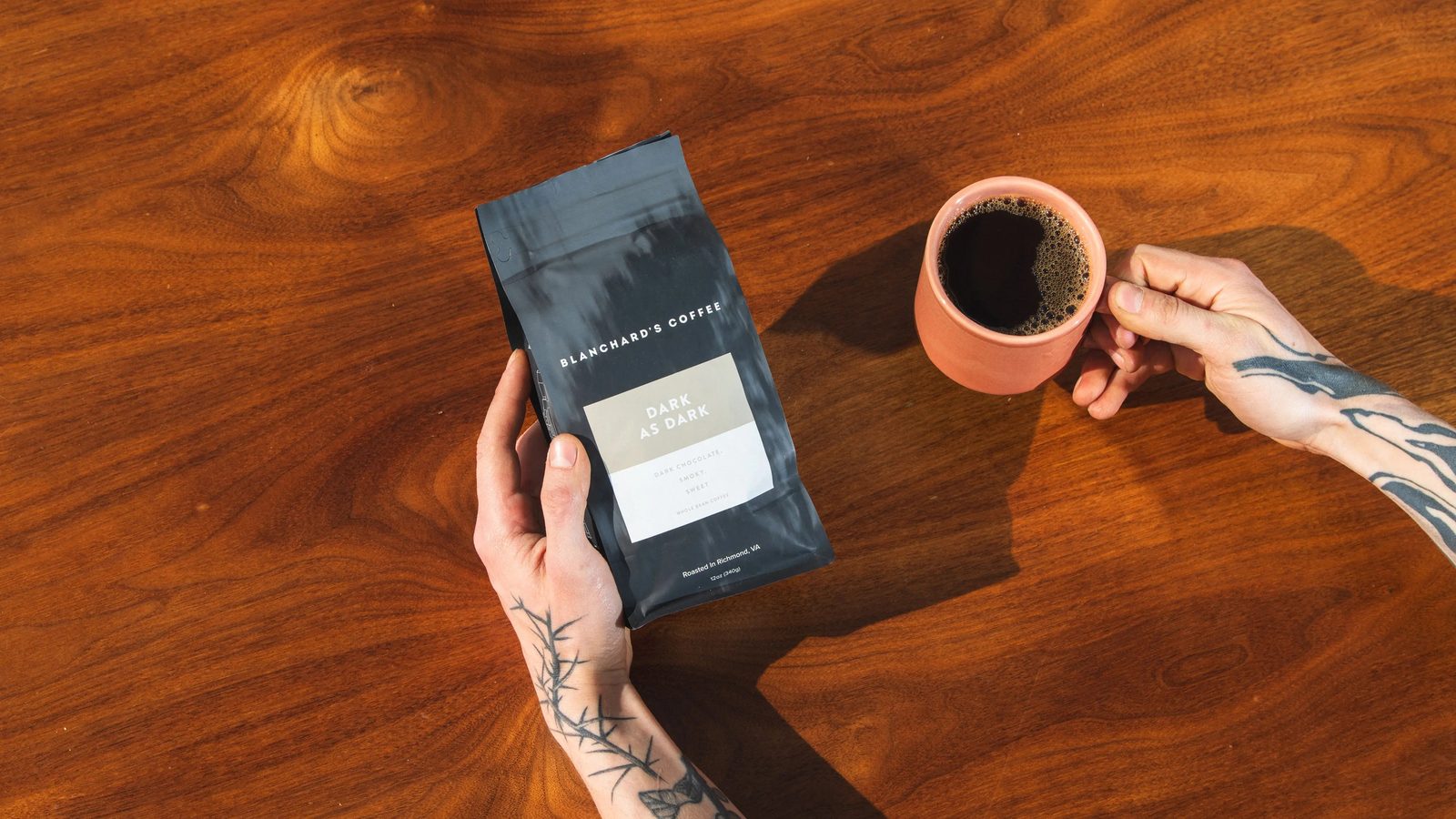
Brew a dark roast for the cup you want. For a heavy, bold cup, use a French press or a moka pot. For the least bitter cup, make cold brew. For something cleaner and lighter, use a paper filter in a drip machine or an AeroPress. Dark beans carry a lot of roast flavor already, so when a cup tastes burnt, grind coarser or cut the brew time before you buy new gear. Use the picker below to match a brewer to your taste, cup count, effort and time, then read on for why each one works.
brewer picker
Answer four questions and get a brewer with a starting recipe for dark roast.
- French press: Heavy body with the roast up front
- Moka pot: A small, strong cup for milk or sugar
- Espresso: Strong shots for lattes and cappuccinos
- Cold brew: The least bitter cup, made a day ahead
- Drip machine: Clean cups with no technique
- AeroPress: One smooth mug in about two minutes
What changes when coffee is roasted dark
Dark beans already taste of the roaster, and a long brew piles bitterness on top. Brew them a little gentler than you would a light roast.
Roasting longer opens the bean up. In a 2024 study in Scientific Reports, researchers at Berry College and Drexel University roasted two Ethiopian coffees to five levels and brewed each in an AeroPress. Porosity in the washed coffee rose from 13.6% in the green bean to 45.8% at the darkest roast. Extraction yield, the share of the grounds that dissolves into the cup, fell once the beans lost more than about 12 to 14% of their weight in the roaster. Chlorogenic acids, which add acidity and bitterness, dropped as the roast got darker.
Flavor shifts too. A 2020 review in the journal Beverages by Daniel Seninde and Edgar Chambers IV at Kansas State found that dark-roast brews scored higher for smoky, ashy, woody, roasted and acrid flavors and for bitterness.
For your morning cup, that means darker beans have less left to dissolve and more of it tastes bitter. A coarser grind or a shorter brew keeps those flavors in check, and a brewer that adds body, sweetness or milk makes the most of what's there.
French press: for a heavy, bold cup
If you like dark coffee for its weight, use a French press. The cup is thick and keeps the roasty, smoky flavors.
The press uses a metal mesh, so the coffee's oils and fine particles pass into the cup. The oils carry cafestol and kahweol, compounds that raise LDL cholesterol. In a Norwegian study of 508,747 adults followed for about 20 years, unfiltered coffee carried about 30 times the concentration of these compounds as filtered coffee.
Start with 33 g of coarse coffee and 500 g of water at 92°C (198°F). Stir once, steep for 4 minutes, skim the foam and press. Pour every cup out right away so it stops brewing. If your cholesterol runs high, save the press for weekends and use a paper filter on other days.
Moka pot: for a strong cup under milk
For a latte without an espresso machine, use a moka pot. It brews a small, strong cup that stays bold under steamed milk.
The pot brews with steam pressure from its sealed base, well below the 9 to 10 atmospheres in the Specialty Coffee Association's heritage definition of espresso. The coffee comes out concentrated, with little crema.
Fill the basket level with medium-fine coffee and don't tamp it. Pour hot water into the base up to just under the valve so the grounds spend less time on the burner. Use medium-low heat and lift the pot off when the stream turns pale and sputters. A pot left on past that point scorches the coffee, and with beans this dark you'll taste it.
Espresso: for lattes and cappuccinos
A dark roast pulls a heavy, roasty shot that holds its own under steamed milk.
Start with 18 g of fine-ground coffee and pull 36 to 40 g into the cup in 25 to 30 seconds. If the shot tastes harsh or ashy, grind a step coarser or stop it a few grams earlier. Darker beans tend to be oily, and the oil builds up on grinder burrs, so clean the grinder more often than you would for light coffee.
Cold brew: for the least bitter cup
If bitterness puts you off dark coffee, make cold brew.
In a 2022 study in the journal Foods, Mackenzie Batali and colleagues at the UC Davis Coffee Center brewed coffees from different origins at light, medium and dark roasts, both cold and hot. Tasters rated the hot brews higher for bitter taste, sour taste and a rubbery flavor at every roast level. The cold brews scored higher for floral flavor. Cold water also pulls caffeine out over time: Thomas Jefferson University chemists found in 2017 that caffeine extraction in cold brew levels off between 6 and 7 hours.
Stir 100 g of coarse coffee into 1 liter of cold water, cover and refrigerate for 14 to 16 hours. Strain through a paper filter, then cut it 1:1 with water over ice, or with hot water for a warm cup.
Drip machine and AeroPress: for a cleaner cup
If dark coffee tastes too heavy to you, brew it through paper. A paper filter holds back oils and fines, so the cup comes out lighter in body and the smoky edge softens.
A paper filter also catches most of the cafestol. In the same Norwegian study, filtered coffee was linked to lower mortality than unfiltered coffee.
For a drip machine, use about 55 g of medium-ground coffee per liter of water and keep that ratio when you change batch size. A hot plate keeps cooking the pot, so pour it into a thermal carafe if it will sit.
For one mug, an AeroPress takes 15 g of medium-fine coffee and 230 g of water at 92°C. Stir for 10 seconds, steep for 90 seconds and press. The short steep keeps bitterness low, and you can brew it strong and top it with milk.
Water temperature matters less than grind
You don't need a special kettle for dark beans. Change the grind and brew time first.
The Specialty Coffee Association's Golden Cup standard sets 92°C (198°F) as the minimum brewing temperature. A 2020 UC Davis study brewed drip coffee at 87, 90 and 93°C while holding strength and extraction steady by adjusting grind and time, and tasters found little difference. Temperature changes how fast the coffee extracts. Grind and time do the same job and are easier to control.
Fixing coffee that tastes burnt
A brew that runs too long or too fine pulls out extra bitterness. Change one thing at a time:
- Grind a step coarser.
- Shorten the steep or stop the shot earlier.
- Switch to a paper filter or cold brew.
- Use a little more water for the same coffee.
Old beans make it worse. At Penn State, Andrew Cotter and Helene Hopfer stored six roasts for nine weeks, frozen or at room temperature. Dark roasts kept at room temperature smelled different from fresh ones, while frozen dark roasts smelled close to fresh. Buy dark beans in smaller bags, or freeze them in sealed portions.
Find your method
Log each cup in Jittr with the brew method and a score. After a few bags, your ratings show which brewer gets the most out of the beans you buy.
Download Jittr