jittr

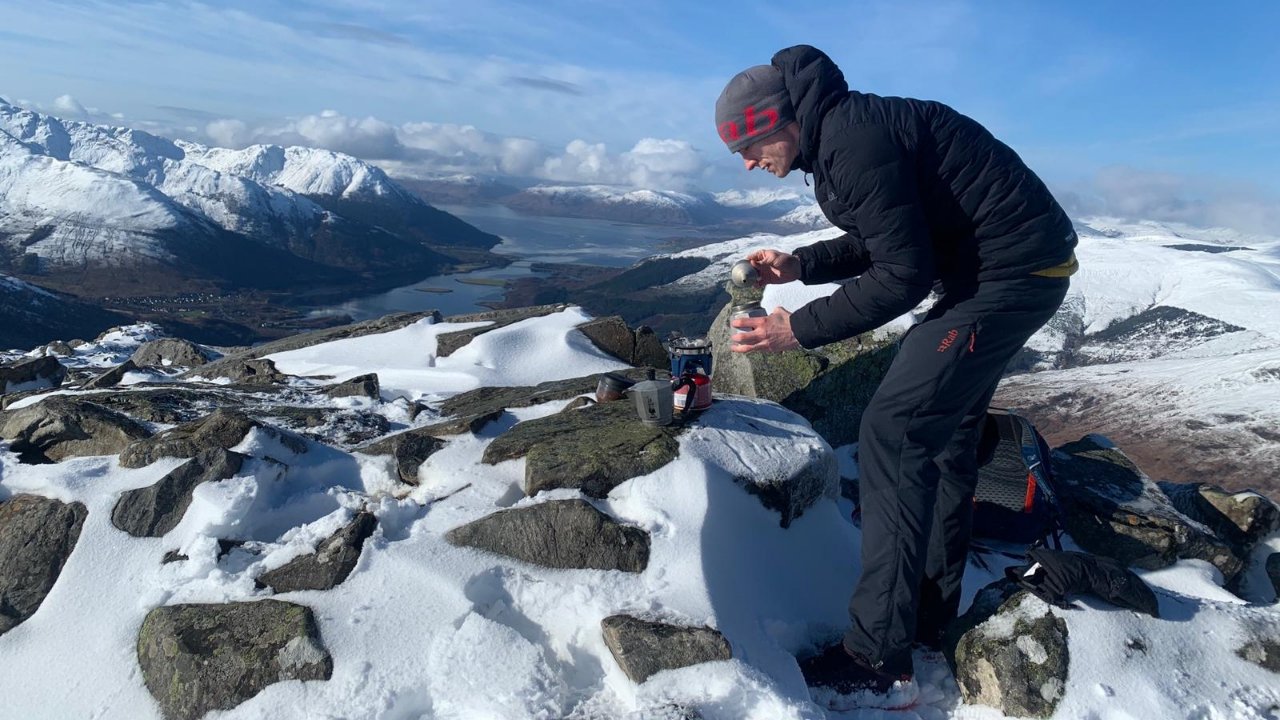
Water boils at a lower temperature as you go up, because the air pressing on it drops. Pew Research puts the boiling point in Denver at about 202°F, compared with 212°F at sea level. Coffee brewed with that cooler water extracts more slowly.
Boiling points by elevation
These figures come from the standard-atmosphere pressure at each elevation and water's vapor-pressure curve. Weather moves them by a degree or two on any given day.
- Sea level: 212°F (100°C)
- Salt Lake City, 4,226 ft: 204°F (95.7°C)
- Denver, 5,280 ft: 202°F (94.7°C)
- Flagstaff, 6,909 ft: 199°F (93.0°C)
- Mexico City, 7,349 ft: 199°F (92.6°C)
- Bogotá, 8,660 ft: 196°F (91.2°C)
- La Paz, 11,942 ft: 190°F (87.9°C)
The Specialty Coffee Association's Golden Cup standard sets 92°C (197.6°F) as the minimum brewing temperature. Above about 7,900 feet, boiling water can't reach it.
What cooler water changes
Temperature sets how fast coffee extracts, and a lower temperature isn't a flavor problem by itself. A 2020 UC Davis study in Scientific Reports brewed drip coffee at 87, 90 and 93°C and adjusted grind and brew time so each batch hit the same strength and extraction. The tasting panel found little difference between them.
So the thin cup at altitude comes from under-extraction. A recipe tuned at sea level, run with cooler water for the same time, pulls less out of the grounds. Matching extraction brings the cup back.
Fixes for high altitude brewing
Grind finer. More surface area speeds extraction and makes up for the cooler water. Move one or two settings at a time and taste.
Brew longer. Add 30 seconds to a French press or slow your pour-over. For an AeroPress, wait longer before you press.
Preheat everything. A cold mug, carafe or brewer pulls heat out of water that's already cooler. Rinse them with hot water before you brew.
Measure if you can. With a refractometer you can check strength and extraction against your sea-level numbers instead of guessing.
Espresso
Espresso machines heat water inside a sealed, pressurized boiler or thermoblock, so the local boiling point doesn't cap their brew temperature the way it caps water from a kettle. The machine's thermostat setting decides it.
Coming back down
A recipe built for altitude extracts faster at sea level, because the same water now gets hotter. Coarsen the grind or shorten the brew and taste again.
Compare cups from different places
Jittr records the city and state for every café you log, so you can compare your scores at home and on the road.
Download Jittr