jittr

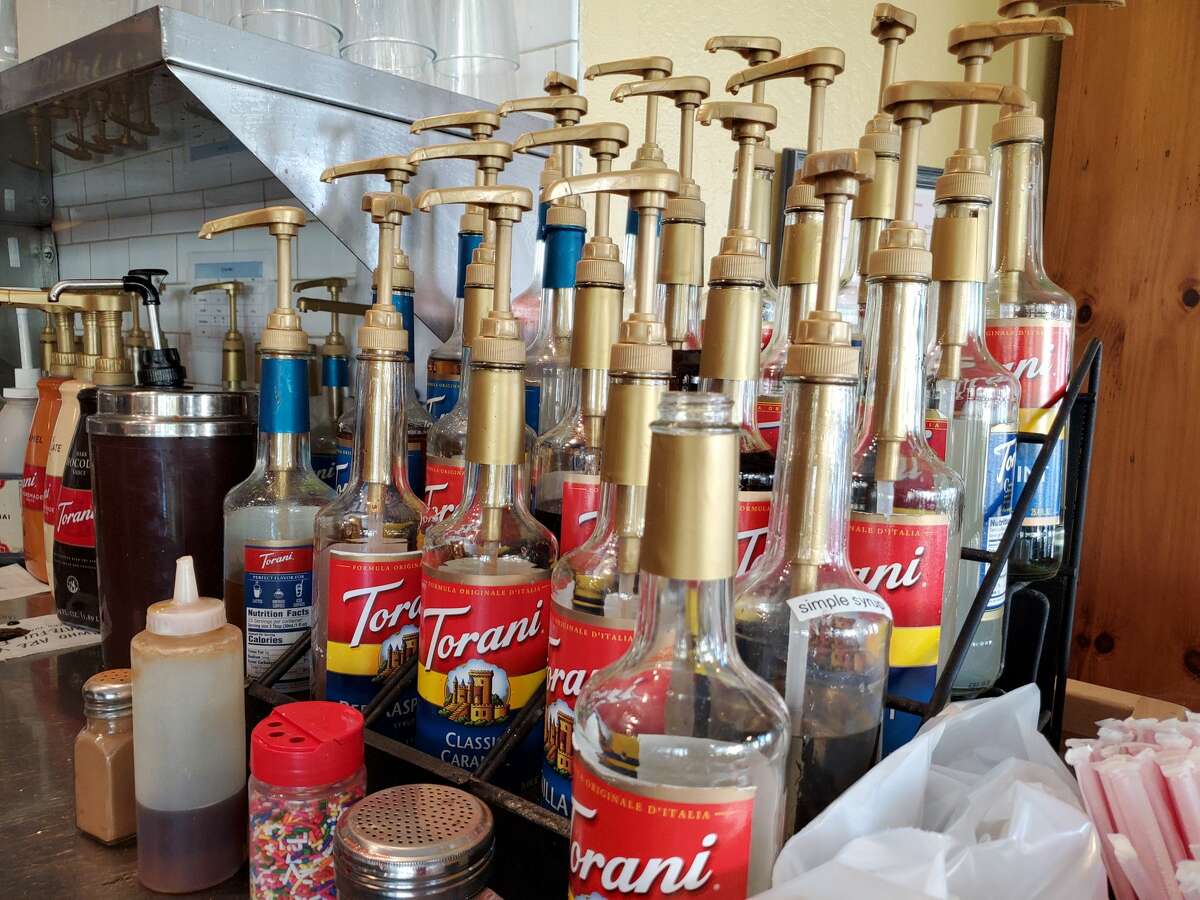
The healthiest way to sweeten coffee is to use less of whatever you add. White sugar, turbinado, simple syrup and honey all count as added sugar, and Michigan State University Extension found no significant health benefit to picking one over another. Flavored syrups add up fastest: two tablespoons of Torani vanilla carry 20 grams of sugar. Stevia, monk fruit, Sweet'N Low, Equal and Splenda remove the sugar. The FDA considers the approved ones safe within daily limits, and the World Health Organization advises against using them to control weight. The tool below shows what each one adds to your cup.
what your sweetener adds
Pick a sweetener and how many servings. See the sugar against the per-meal cap.
- White or turbinado sugar: about 4 g sugar and 16 calories per teaspoon
- Flavored syrup (Torani vanilla): 20 g sugar and 80 calories per 2 tablespoons
- Honey: 17 g carbohydrate and 64 calories per tablespoon
- Stevia, monk fruit, Sweet'N Low, Equal, Splenda: no sugar
White sugar, turbinado and simple syrup
These three are the same sugar in different forms.
A tablespoon of table sugar has 49 calories and 13 grams of carbohydrate, according to Texas A&M's nutrition department, which works out to about 4 grams and 16 calories per teaspoon. Turbinado, sold as raw sugar, keeps a little of the cane's molasses and a golden color. Michigan State University Extension says the color and the name suggest a healthier sugar, and it is not. Simple syrup is sugar dissolved in an equal amount of water. It mixes into iced coffee where granules sink to the bottom, and it brings the same sugar you stirred into the pot.
Flavored syrups
Flavored syrups carry the most sugar per pour.
Two tablespoons of Torani vanilla syrup have 80 calories and 20 grams of added sugar, which the label counts as 39 percent of the daily value. The ingredient list starts with pure cane sugar and water. Torani's sugar-free line drops the sugar to zero and sweetens with sucralose and acesulfame potassium. At a café, the syrup goes in by the pump, so asking for fewer pumps is the simplest way to cut back.
Honey and maple syrup
Honey and maple syrup taste different from sugar and count as added sugar the same way.
A tablespoon of honey has 64 calories and 17 grams of carbohydrate, against 49 calories and 13 grams for table sugar, according to Texas A&M. Honey weighs more per spoon, and its stronger flavor can mean you use less. The handout sums it up in four words: "added sugar is added sugar." Michigan State University Extension says maple syrup may carry more minerals than table sugar, such as manganese and zinc, and still found no significant health benefit to choosing one sugar over another. The extension also warns against giving honey to babies under one year old because of the risk of botulism.
Stevia and monk fruit
These plant extracts sweeten without sugar, and the packets carry other ingredients too.
Stevia extracts run 200 to 400 times sweeter than sugar and monk fruit extracts 100 to 250 times, according to the FDA. The agency has reviewed industry notices calling purified forms of both safe and has not questioned them. A pinch of extract needs bulk to fill a packet, so brands blend it with something else. Monk Fruit In The Raw uses dextrose. Erythritol, a sugar alcohol, is a common sugar replacement in low-calorie and keto products. In a 2023 Cleveland Clinic study of more than 4,000 people in the US and Europe, higher blood levels of erythritol went with higher rates of heart attack and stroke. The NIH's summary notes that the link to heart problems has not been proven and calls for longer studies.
Sweet'N Low, Equal and Splenda
The FDA's daily limits for these three work out to 23 to 75 packets a day for a 132-pound adult.
Sweet'N Low is saccharin, 200 to 700 times sweeter than sugar, and the FDA's acceptable daily intake equals about 45 packets a day for a 60-kilogram (132-pound) adult. Saccharin products once carried a cancer warning label. A federal law ended that requirement in 2000, the same year the National Toxicology Program removed saccharin from its list of potential carcinogens, NPR reported. Equal is aspartame, 200 times sweeter, with an FDA limit near 75 packets. In July 2023 the World Health Organization's cancer agency, IARC, classified aspartame as possibly carcinogenic to humans, the third of its four levels, and a separate WHO expert committee kept its daily limit at 40 milligrams per kilogram. That committee figured a 70-kilogram adult would need more than 9 to 14 cans of diet soda a day to pass it, according to the WHO. The FDA disagrees with the IARC classification. People with PKU need to avoid aspartame, and the FDA requires a phenylalanine notice on its labels, according to MedlinePlus. Splenda is sucralose, 600 times sweeter, with an FDA limit near 23 packets.
What health agencies say
Every agency here wants you to eat less added sugar. Their advice on substitutes differs.
The American Heart Association sets a daily added-sugar limit of 25 grams, about 6 teaspoons, for most women and 36 grams, about 9 teaspoons, for most men. The 2025-2030 Dietary Guidelines for Americans cap added sugar at 10 grams per meal and say to avoid added sugars and nonnutritive sweeteners, according to a summary in American Family Physician. In May 2023 the World Health Organization advised against using non-sugar sweeteners to control weight, after its review found no long-term benefit for body fat. The WHO called the advice conditional and excluded people with diabetes. The FDA holds that the high-intensity sweeteners it has approved are safe for the general population under their conditions of use.
Rate your cup by how you sweeten it
Log your coffee in Jittr and note what went in it. After a few weeks your scores show whether the extra pump earns its place.
Download Jittr